By PoppaDukes Serrano
Look, I’m gonna keep it a buck with y’all. When Zohran Mamdani got sworn in as New York City’s 111th Mayor, the energy was different. This wasn’t another career politician sliding into Gracie Mansion with the same tired playbook. This was a Democratic Socialist. He was a Queens assemblyman who went viral for rapping on the campaign trail. He was stepping into one of the most powerful municipal offices in the country.
Now we’re 30 days in. And the question everybody’s asking from the Bronx to Brooklyn is simple: Is this revolution or reality check?
Let me break it down.
The Squad He’s Building
First things first, you can tell a lot about a leader by who they put in position. And Mamdani ain’t playing when it comes to his appointments.
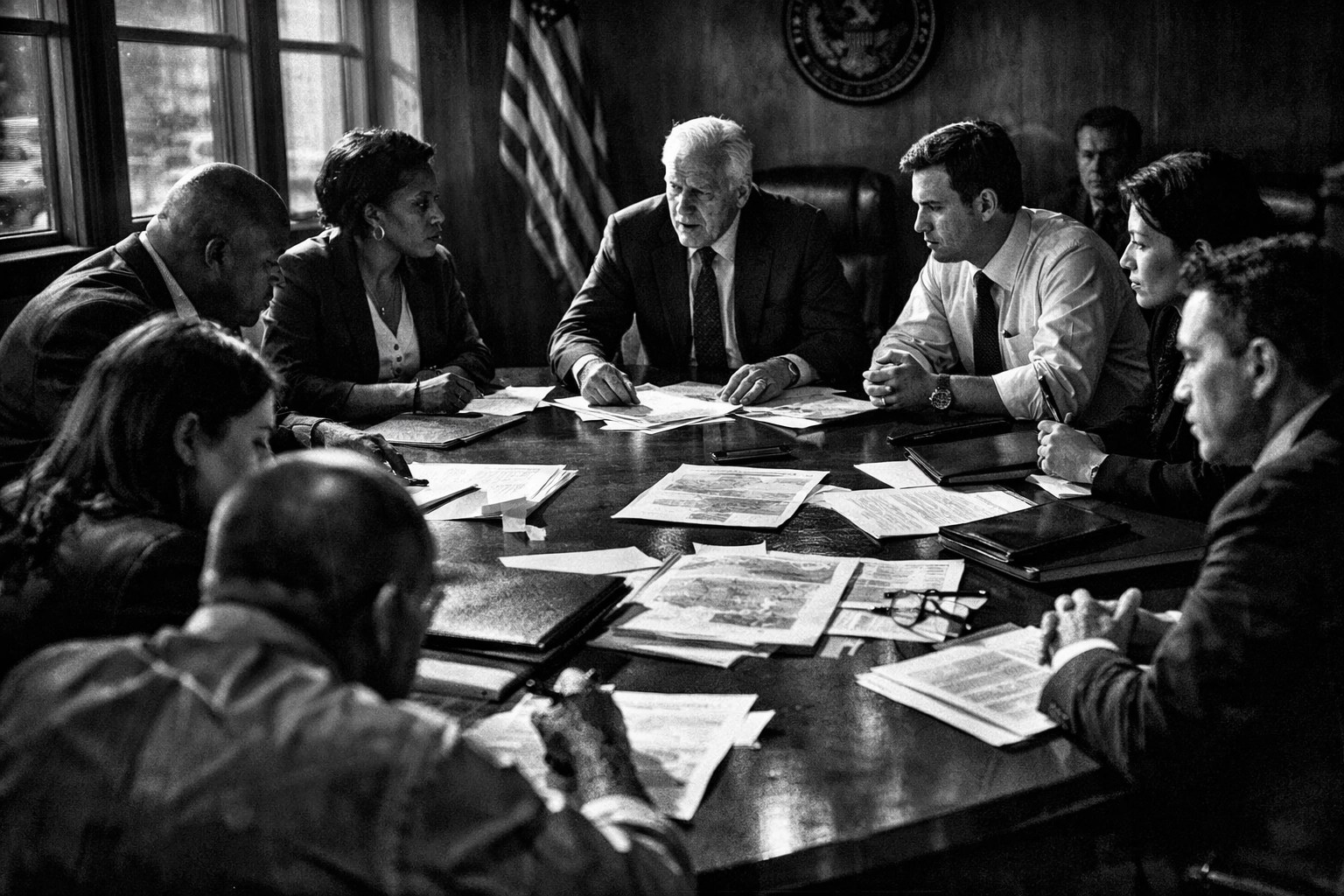
The appointments tell the story of his priorities.
Cea Weaver got tapped as Director of the Mayor’s Office to Protect Tenants. If you know, you know. Cea’s been in the trenches for housing justice for years. She managed the campaign for the Housing Justice for All coalition. Their efforts helped pass the 2019 rent reforms in Albany. Having her in that role? That’s a signal to every landlord trying to push people out their apartments.
Then there’s the Deputy Mayor picks. Julie Su, not to be confused with the federal Labor Secretary, came on as Deputy Mayor for Economic Justice. And Leila Bozorg is running point as Deputy Mayor for Housing and Planning. These aren’t symbolic appointments. These are organizers and policy wonks who’ve spent careers fighting for working people.
This ain’t the Eric Adams era of putting your boys in position. This is strategic movement-building from inside City Hall.
Day One: Three Executive Orders and a Message
Mamdani didn’t waste time. Day One, he signed three executive orders focused on housing. That’s not an accident, that’s a statement.
The first was a rent freeze pledge. It signaled his administration would push the Rent Guidelines Board to hold the line on increases. The second established stronger tenant protection protocols, making it harder for landlords to harass folks out of their homes. The third established two new task forces. One is SPEED, focused on cutting bureaucratic red tape for affordable housing development. The other is LIFT, aimed at preserving existing affordable units.
He also dropped $4 million for public bathrooms across the city. Sounds small, right? If you’ve ever been out in these streets and are unhoused, a delivery worker, or just need to use the bathroom, you feel its impact deeply. It profoundly affects you. Being in these situations profoundly impacts you. You understand the impact. It’s actually huge. It’s about dignity.
And then there’s the Office of Mass Engagement. This is Mamdani’s effort to keep the grassroots energy that got him elected flowing through his administration. The idea is to create direct lines of communication between everyday New Yorkers and City Hall.
At a press conference from Gracie Mansion, Mamdani made his vision clear. He stated, “I want Gracie Mansion to belong to the people.” I want it to be accessible to the people and to be shaped by the people.”
That’s not just rhetoric. He’s talking about ice cream stands, community workshops, and English language classes. He wants to bring back the public-facing traditions the mansion used to have before it became just another political trophy.

The streets are watching, and so are we.
The $12 Billion Problem
Now here’s where the reality check comes in.
Mamdani inherited a $12 billion budget deficit from the Adams administration. Twelve billion. That’s not a typo. Years of mismanagement took a toll on the city’s finances. The drying up of federal COVID relief added to the strain. Questionable spending decisions further worsened the situation, leaving the city’s finances looking like a bodega after a blackout.
So how do you fund a progressive agenda when you’re already in the hole?
Mamdani’s solution is the Fair Share Act. It aims to push Albany to authorize the city to raise taxes on the wealthy and large corporations. We’re talking about folks making over $5 million a year and big real estate interests. The math makes sense. But getting that authority from the state legislature? That’s a whole different fight.
Which brings us to…
The Hochul Dynamic: Unlikely Allies or Future Enemies?
The relationship between Mayor Mamdani and Governor Kathy Hochul is complicated. On paper, they shouldn’t get along. Hochul’s a moderate Democrat who’s clashed with progressives on everything from bail reform to housing policy. Mamdani’s a socialist who’s called for taxing the rich and defunding police.
But here’s the twist: they’ve found common ground on a few key issues.
Universal childcare is one. Both Hochul and Mamdani see the need to expand access for working families. And on housing supply, they agree on the need to build more units. Nonetheless, they disagree on who should profit and how.
That said, the friction points are real. Mamdani’s push for the Fair Share Act puts him directly at odds with Hochul’s more business-friendly approach. Tension is brewing over protest restrictions. Hochul has been more aggressive on law enforcement responses to demonstrations. Mamdani’s base is literally the people in the streets.
This alliance will hold for a while. But don’t be surprised if it cracks wide open when budget season heats up.
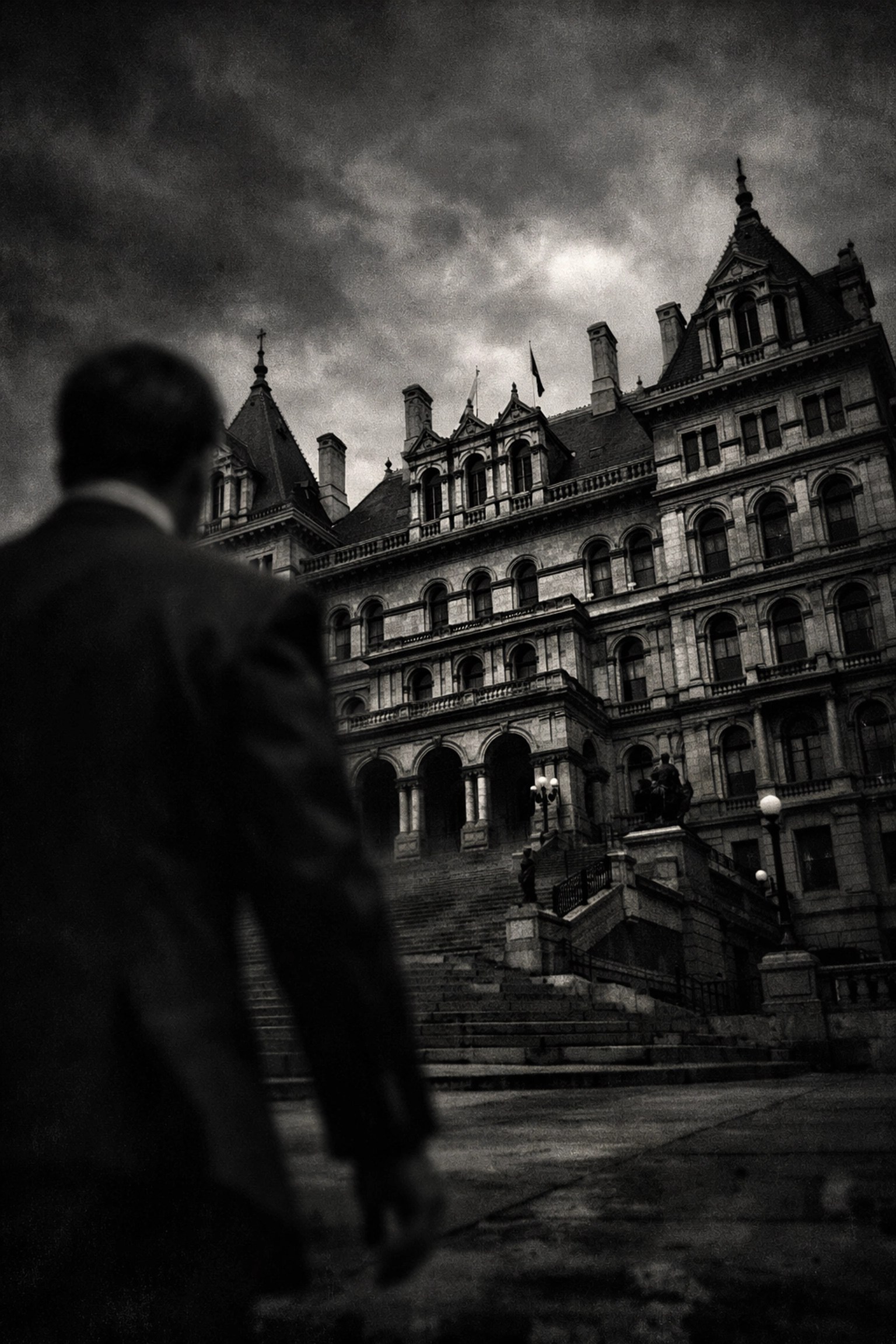
Albany and City Hall: a complicated relationship.
The City Council Question
Even with bold appointments and executive orders, Mamdani can’t do this alone. And the City Council is far from a rubber stamp.
The council is divided between progressives who align with Mamdani’s vision and moderates who are skeptical of his approach. Getting major legislation through, especially anything that requires budget commitments or structural changes, is going to require coalition-building and compromise.
Some council members are already pushing back on the pace of change. Others want him to go further, faster. It’s the classic progressive dilemma. If you move too slow, your base gets frustrated. If you move too fast, you lose the votes you need.
So… Revolution or Reality Check?
Here’s my take.
Thirty days in, Zohran Mamdani has done exactly what he said he’d do. He’s prioritized housing. He’s appointed real organizers to real positions. He’s talking about making government accessible to everyday people, and backing it up with actual policy.
But he’s also governing in a system that wasn’t built for socialists. The budget deficit is real. Albany isn’t gonna hand over tax authority without a fight. And the City Council isn’t a movement, it’s a political body with its own interests.
This isn’t revolution. Not yet. But it’s also not a sellout. It’s the messy, complicated work of trying to change the framework from inside the system.
And for those of us who’ve been waiting for leadership that actually reflects our communities? That’s something worth watching.
The Takeaway
Mamdani’s first 30 days show a leader who’s serious about his progressive mandate but realistic about the obstacles ahead. The appointments are strong. The Day One actions were bold. But the budget hole, the Albany battles, and the City Council dynamics mean this is a marathon, not a sprint.
The streets got him here. Now we’ll see if the streets can keep pushing him, and if he can deliver.
Stay tuned. This story’s just getting started.
Please Subscribe, Follow, Like, Comment on Substack, Youtube, IG, LinkedIn, & FB.
About the Author
PoppaDukes Serrano is the Executive Producer and Host of The OG Social Network Podcast. The podcast covers the intersection of cannabis, culture, politics, and community in New York. PoppaDukes has deep roots in advocacy. He is committed to amplifying marginalized voices in the industry. PoppaDukes brings the street cred and real talk that the community conversation needs. Follow the podcast for unfiltered conversations with the trailblazers, entrepreneurs, politicians, and activists shaping the future.