The 2026 midterms will reshape cannabis policy across America: and your vote is the deciding factor.
By PoppaDukes SERRANO | Executive Producer, The OG Social Network Podcast
Look, I get it. You’ve heard the “your vote matters” speech a thousand times. Politicians say it. Activists say it. Your aunties post about it on Facebook every election cycle. But here’s the thing: when it comes to #cannabis legalization in 2026, your vote isn’t just symbolic. It’s the whole game.
The #midterms this November aren’t just about picking your favorite party or sticking it to the other side. They’re about deciding who gets to shape cannabis policy for the next decade. And for the #newyorkcannabiscommunity, the stakes have never been higher.
So let’s break this down. No fluff. No political jargon. This is the real talk about why these elections matter. They are important for everyone from #cannabisentrepreneursnyc to everyday consumers trying to support legal, fair weed.
The 2026 Midterm Landscape: What’s Actually on the Table?
Right now, cannabis policy in America is a patchwork quilt of contradictions. Some states are thriving with legal markets. Others are still locking people up for possession. And the federal government? Still treating cannabis like it’s 1970.
But 2026 is different. Here’s why:
- Multiple states have active legalization bills moving through their legislatures, including Indiana, Kansas, New Hampshire, Pennsylvania, and West Virginia
- New Hampshire’s HB 186 already passed the House in January 2026 and is sitting in committee right now
- Ballot initiatives in several states will let voters decide directly on cannabis policy
- Some states like Arizona, Maine, and Massachusetts are facing repeal campaigns trying to roll back existing legalization
This isn’t hypothetical. These are real battles happening right now. And the outcomes depend entirely on who shows up to vote: and who they vote for.
![AIPAC Golden 1 A graphic with the heading 'TRACK AIPAC' featuring a black-and-white portrait of Jared Golden, U.S. Representative [D] ME-02. It highlights he received $1,004,505 from the pro-Israel lobby (AIPAC and related groups). The design uses red, black, and white colors with bold fonts and the social media handle @TRACKAIPAC at the bottom.](https://i0.wp.com/cdn.marblism.com/Sn08BQcRIR1.png?ssl=1)
Follow the money: Understanding how lobbying groups like #AIPAC influence congressional candidates reveals who’s really driving policy decisions.
The Political Players: #Trump, #Congress, and the Money Behind the Scenes
Let’s talk about the elephant: and the donkey: in the room.
President #Trump signed an executive order directing his attorney general to reschedule cannabis to Schedule III. That’s a big deal. It opens doors for banking, research, and interstate commerce that have been blocked for decades. But here’s the catch: executive orders can be reversed. What one president gives, another can take away.
That’s why #Congress matters so much. Real, lasting change requires legislation. And right now, Congress is a mixed bag on cannabis. Some members are pushing for full federal legalization. Others are funded by pharmaceutical companies, private prison lobbies, and other interests that gain from keeping weed illegal.
And then there’s #AIPAC and other major lobbying groups. Now, you be wondering what a pro-Israel lobby has to do with cannabis. Here’s the connection: lobbying money shapes who gets elected and what policies they support. When you track where campaign dollars come from, you start to see why certain politicians vote the way they do. You can notice this in everything from foreign policy to drug reform.
“If you don’t understand who’s funding your representatives, you don’t understand why they vote the way they do.”
This is #politics 101. Follow the money. Then follow your conscience to the ballot box.
The #Constitution and #USLaw: Being Tested in Real Time
Here’s where things get legally interesting: and a little wild.
Cannabis legalization has created one of the biggest #constitution conflicts in modern American history. You’ve got states saying, “Weed is legal here.” You’ve got the federal government saying, “Actually, it’s still a Schedule I controlled substance.” And you’ve got businesses, consumers, and law enforcement caught in the middle.
#USLaw is being stretched, bent, and tested in ways the founders never imagined. Can the federal government override state legalization efforts? Can cannabis businesses access federal banking systems? Can people with prior cannabis convictions get their records expunged?
These questions aren’t just academic. They affect real people. The #cannabisactivismnewyork movement has been fighting for answers: and for justice: for years. But ultimately, the courts and Congress will decide how these constitutional conflicts get resolved.
And who sits in Congress? That’s determined by #elections. Your elections. Your vote.
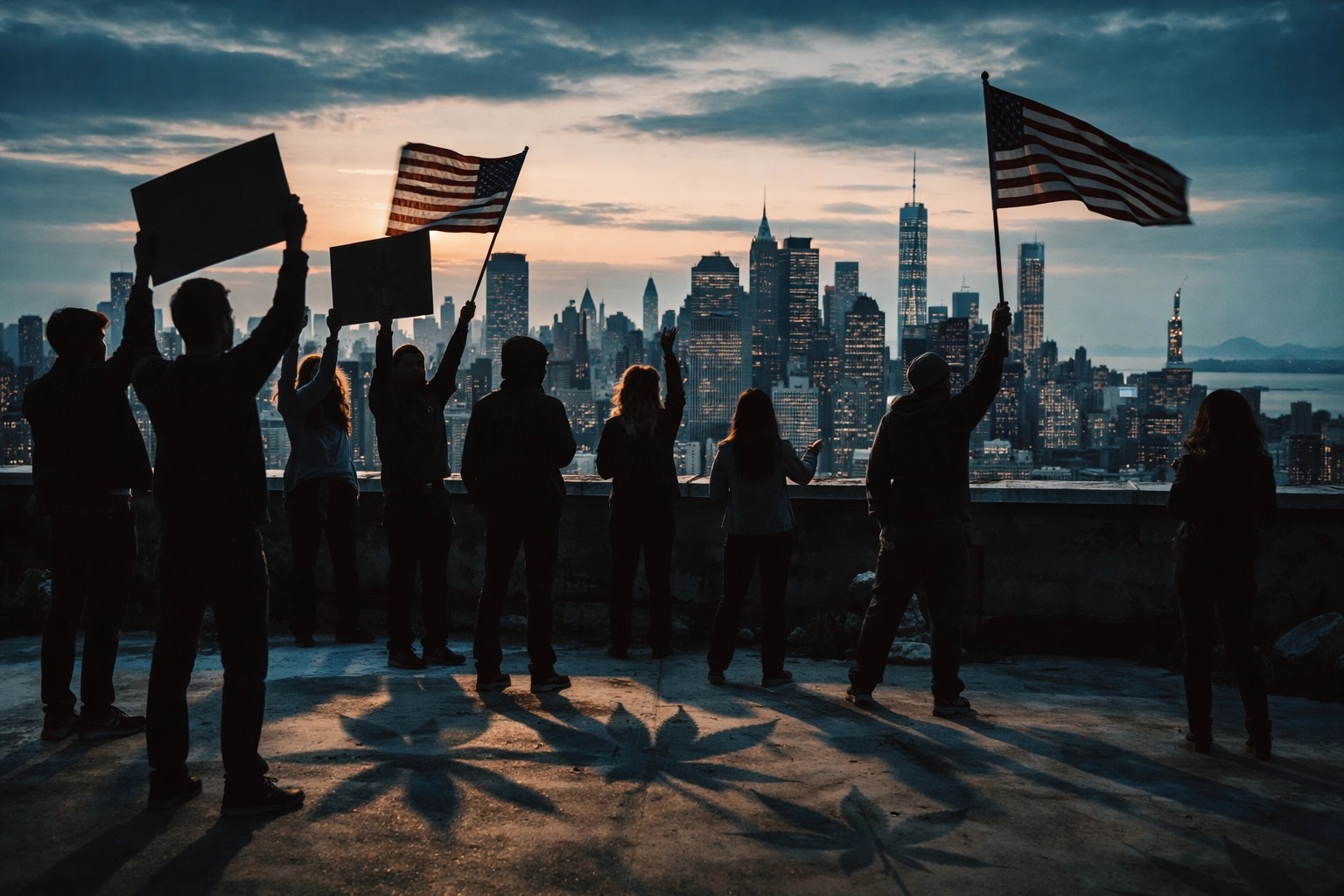
New York’s cannabis community is at the center of the national debate over states’ rights and federal overreach.
#Taxpayers and the Great Debate: #DemocraticSocialism vs. Corporate Interests
Let’s get into the money talk: because that’s what a lot of this comes down to.
Cannabis is now a multi-billion dollar industry. In New York alone, the legal market is projected to generate hundreds of millions in tax revenue. That money could fund schools, infrastructure, social programs, and community reinvestment.
But who benefits? That’s the question #taxpayers should be asking.
On one side, you’ve got advocates pushing for #democraticsocialism-style policies. They want cannabis revenue to flow back into communities that were harmed by prohibition. They want social equity programs that give Black and Brown entrepreneurs a real shot at ownership. They want to make sure the legal market isn’t just another playground for corporate giants.
On the other side, you’ve got multi-state operators and corporate interests looking to dominate the market. They’ve got the capital, the lobbyists, and the connections to squeeze out small businesses. And some politicians are more than happy to help them: in exchange for campaign contributions.
This isn’t about hating capitalism. It’s about asking: who does this industry serve? The communities that built cannabis culture? Or the corporations that showed up after legalization made it profitable?
The #womenincannabisnewyork movement has been particularly vocal about this. Women-owned businesses face unique barriers to entry, and without strong social equity policies, they get left behind. Same goes for BIPOC entrepreneurs who’ve been fighting for a seat at the table since day one.

Entrepreneurs like Sohan Bashar of Silk Road NYC represent the #cannabisentrepreneursnyc fighting for their place in the legal market.
New York’s Cannabis Community: Ground Zero for Social Equity
New York was supposed to be the model. When the state legalized adult-use cannabis in 2021, it came with promises. They pledged to create the most fair cannabis program in the country. Social equity licenses. Community reinvestment. Expungement of prior convictions.
Five years later, the #newyorkcannabiscommunity is still fighting for those promises to become reality.
The rollout has been rocky. Licensing delays. Lawsuits. An illicit market that still dominates in many neighborhoods. But there’s also been progress. Legal dispensaries are opening. #Cannabisnetworkingevents are connecting entrepreneurs with resources. And grassroots organizations are holding the state accountable.
If you’ve been to a #hudsoncannabisfarm tour, you know what the legal market can look like. Explore #longislandcannabistours to see how it’s done right. Small farmers. Craft cannabis. Community connections. That’s the vision. But it only survives if we choose leaders who protect it.
The same goes for #cannabisfarmtoursnewyork and the growing agritourism scene. These aren’t just fun weekend activities. They’re economic engines for rural communities and a way to reconnect consumers with where their cannabis actually comes from.
Check out our Top 10 Weed Farms You Can Visit in New York for a deeper dive into #weedfarmsyoucanvisit.
The Danger of Apathy: Why Sitting Out Isn’t an Option
Here’s the uncomfortable truth: some people want you to stay home on Election Day.
When voter turnout is low, it’s easier for moneyed interests to control outcomes. It’s easier for politicians to ignore cannabis reform. It’s easier for the status quo: where corporations win and communities lose: to continue.
Some critics even argue that voter suppression is a tool of #fascism. Political apathy is also used to unite power among the few. That sound dramatic. But when you look at who benefits when people don’t vote, the math starts to make sense.
#Globalization has also complicated things. International drug treaties, corporate consolidation, and cross-border capital flows all influence how cannabis policy develops. In the end, local elections are crucial. Federal elections also matter. They are where regular people have the most power to shape outcomes.
What Can You Actually Do?
Feeling overwhelmed? That’s fair. Politics is exhausting. But here are some concrete steps:
- Register to vote if you haven’t already. Check your registration status now.
- Research candidates and their positions on cannabis. Don’t just trust campaign ads.
- Support cannabis advocacy organizations doing the work on the ground.
- Show up to #cannabisnetworkingevents and community meetings. Build your #potsocialnetwork.
- Talk to your friends and family about why these elections matter.
- Follow the money. Sites like OpenSecrets and Track AIPAC show you who’s funding your representatives.
And if you’re part of the #cannabisactivismnewyork movement, keep pushing. The work you’re doing matters: even when progress feels slow.
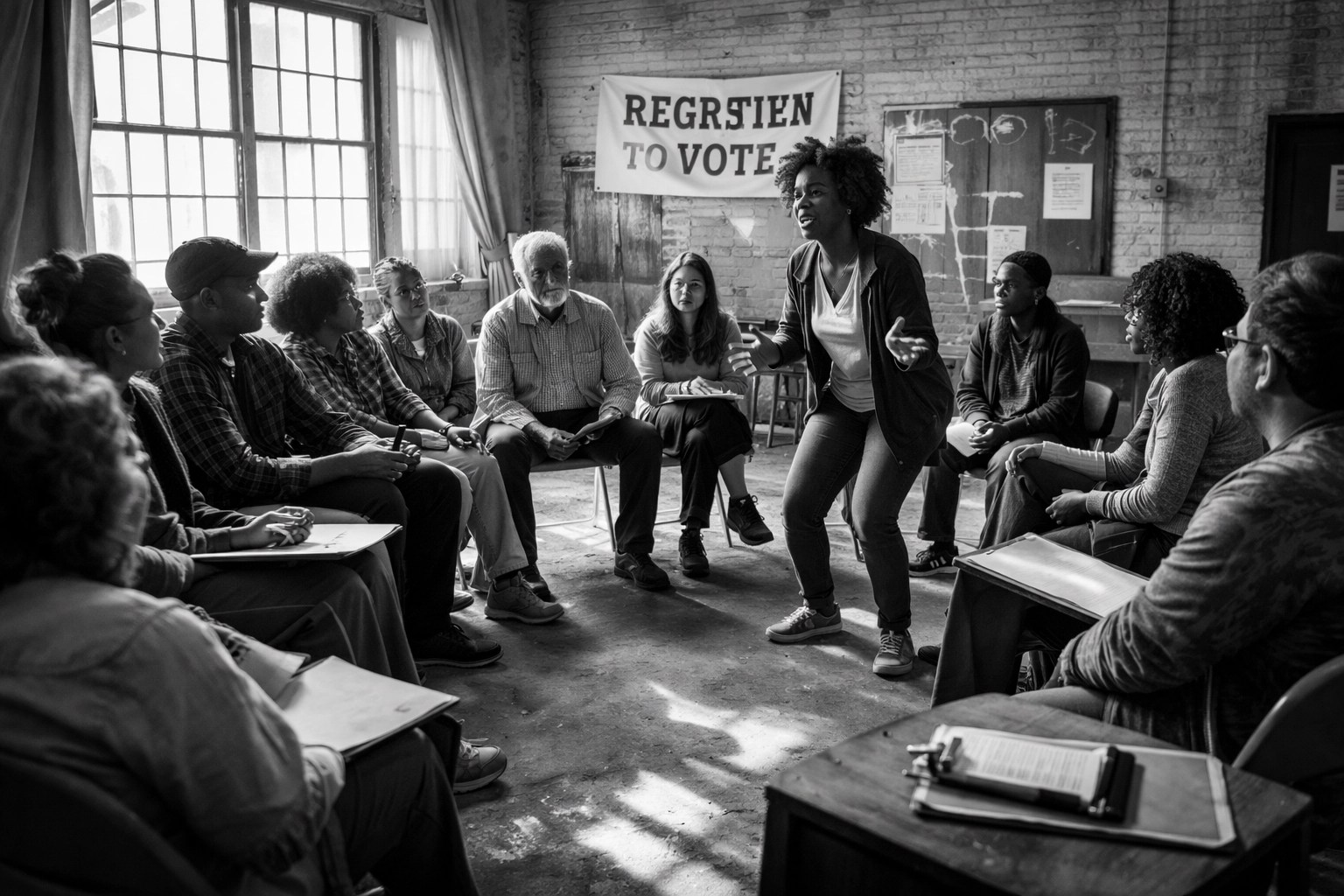
Community organizing and voter engagement are the keys to ensuring cannabis policy reflects the will of the people.
The Bottom Line: Your Vote Is Your Voice
Look, I’m not here to tell you who to vote for. That’s your call. But I am here to tell you that your vote matters. This is especially true when it comes to cannabis #legalization and social equity.
The 2026 #midterms will decide who sits in Congress. They will decide who shapes federal policy. They will also decide whether New York’s cannabis market fulfills its promise or gets swallowed by corporate interests.
The #newyorkcannabiscommunity has worked too hard to let apathy win. The #cannabisentrepreneursnyc who’ve risked everything to build legal businesses deserve representatives who have their backs. And the families still affected by prohibition deserve justice.
So yeah. Your vote matters. Now go use it.
Key Takeaways:
- The 2026 midterms will directly impact cannabis legalization efforts at state and federal levels
- Multiple states have active legalization bills and ballot initiatives this year
- Money in politics: from lobbying groups to corporate donors: shapes who supports cannabis reform
- The Constitution is being tested in real time.
- The Administration’s policies are affecting daily life in many communities.
- Your vote is the most powerful tool you have to shape cannabis policy
Stay connected with The OG Social Network Podcast. Get more coverage on cannabis politics, community events, and the entrepreneurs shaping New York’s industry. Visit theogsocialnetwork.com and join the conversation.
About the Author:
PoppaDukes SERRANO is the Executive Producer and Host of The OG Social Network Podcast. The podcast covers cannabis culture, community, and politics across New York. When he’s not behind the mic, he’s building bridges. He connects entrepreneurs, activists, and everyday people. They believe in a more fair cannabis industry.