By Michael PoppaDukes Serrano
Let’s talk about something most cannabis advocates don’t want to admit. Your vote in 2026 is crucial for federal legalization. It will have a greater impact than any rally, petition, or social media campaign ever will. And the enemy isn’t who you think it is.
Sure, we love to blame the usual suspects, Big Pharma, private prisons, outdated politicians stuck in Reefer Madness mode. There is, nonetheless, a quiet force at work. It is spending millions of dollars to support progressive candidates. These candidates actually endorse cannabis reform, criminal justice overhaul, and social equity programs. That force? AIPAC (the American Israel Public Affairs Committee) and its affiliated super PACs.
Before you think this is just about foreign policy, let me connect the dots for you. The people who win congressional seats in 2026 will decide if cannabis gets rescheduled federally. They will decide whether New York’s licensed operators finally get a fair shot. They will also decide if social equity means something or stays a hollow buzzword.
The 2026 Stakes: Why This Election Cycle Is Different
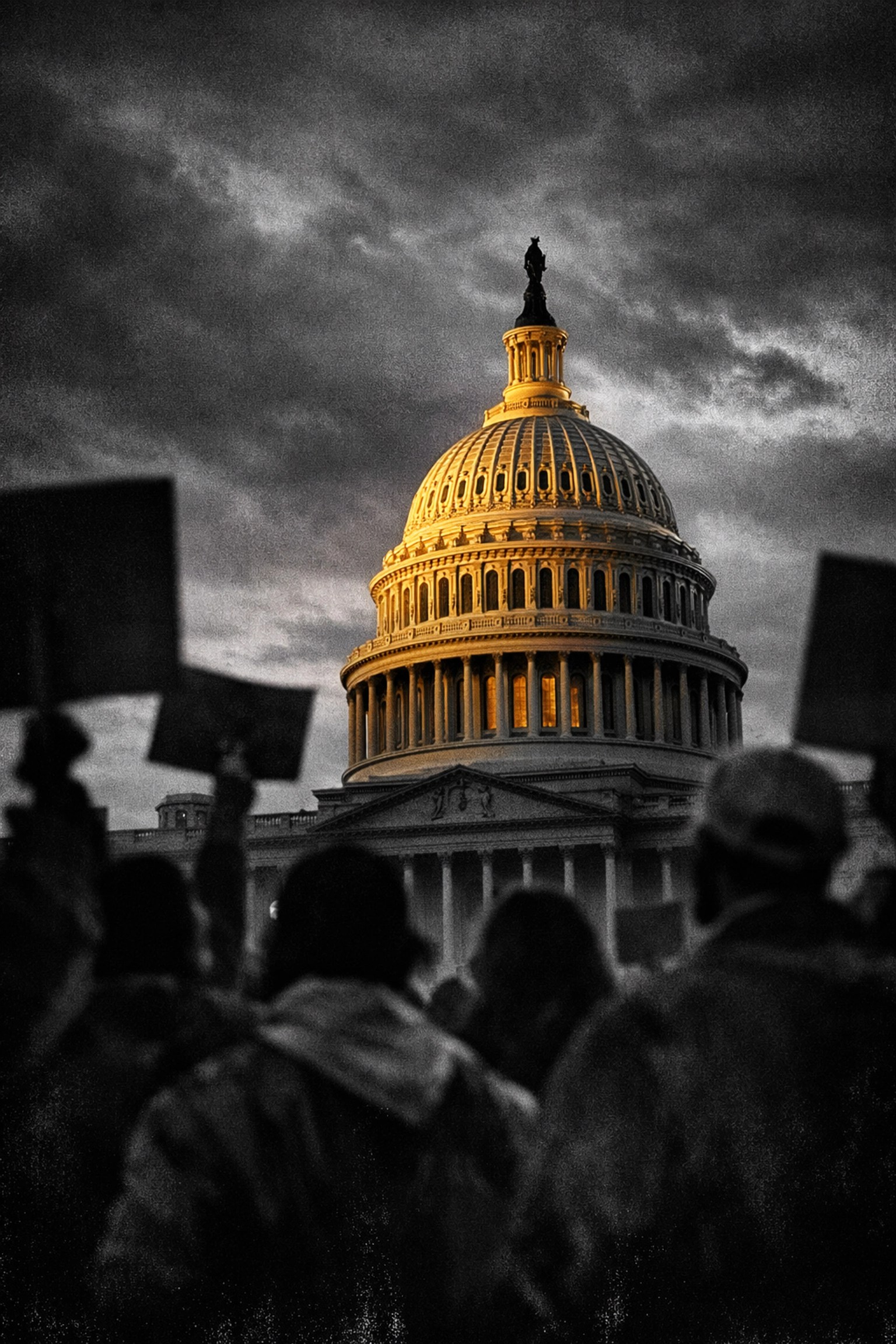
The 2026 midterm elections will decide the future of federal cannabis policy and state-level reform across the nation.
According to cannabis policy analysts, the 2026 midterms represent a pivotal moment for federal legalization efforts. Changes in both the Senate and House speed up the efforts to remove cannabis from the Controlled Substances Act. Alternatively, such changes hinder them completely. Bipartisan support is growing, yes, even among Republicans and Independents, but the window is narrow.
At the state level, seven states are pushing legalization ballot measures in 2026. These states are Florida, Pennsylvania, Idaho, Nebraska, Oklahoma, Hawaii, and New Hampshire. Meanwhile, Arizona, Maine, and Massachusetts are facing competing measures that either expand access or roll back existing laws.
Translation? 2026 is the year cannabis either goes mainstream or gets kneecapped for another decade.
But here’s the kicker: none of this matters if the wrong people are in office.
Follow the Money: How AIPAC Spending Undermines Progressive Reform
Let’s get real for a second. AIPAC isn’t officially a single-issue lobby anymore. Through its super PAC network, it has become a major spender in Democratic primaries. This includes United Democracy Project (UDP) and Democratic Majority for Israel (DMFI). It outspends nearly every other outside group.
In the 2022 and 2024 cycles, AIPAC-backed groups spent over $100 million targeting progressive candidates. And guess what policies those progressives supported? Medicare for All. Green New Deal. Criminal justice reform. Ending the war on drugs. Cannabis legalization.


AIPAC and affiliated groups have poured millions into unseating progressive Democrats who champion cannabis reform and social equity.
Take Jared Golden, U.S. Representative from Maine’s 2nd district. He received over $1 million from AIPAC-linked groups. This wasn’t because of his stance on Middle East policy alone. It was because corporate-funded politicians favor Wall Street over Main Street. They favor defense contracts over healthcare and the status quo over reform.
Cannabis legalization? That’s a progressive priority. If you take money from groups committed to defeating progressives, you won’t support weed shops in the Bronx. You also won’t fight for CAURD licenses in Harlem.
NY-15: The Ritchie Torres vs. Michael Blake Showdown
Now let’s bring it home to New York’s 15th Congressional District, the South Bronx. This race is the perfect microcosm of what we’re talking about.
Ritchie Torres, the incumbent, has been one of the top recipients of AIPAC funding in the country. Critics say he prioritizes real estate developers and corporate interests. He often overlooks the working-class Black and Latino communities he is supposed to represent.

Enter Michael Blake, a challenger with deep community roots. He is a former New York State Assemblyman. He actually talks about cannabis equity, criminal justice reform, and economic justice without hedge-fund talking points.

Community activists and leaders like Michael Blake are challenging the status quo. They are using grassroots campaigns to focus on social equity. They are also advocating for justice reform.
Here’s the thing: Torres isn’t anti-cannabis. But when you’re bankrolled by groups that spent $14.5 million to unseat Summer Lee, $8.7 million. They wanted to defeat Jamaal Bowman. They also spent millions more targeting Cori Bush. All are vocal cannabis reform advocates. You’re part of a system that prioritizes donor interests over constituent needs.
Blake, by contrast, has centered his campaign around community power, not corporate cash. And for cannabis advocates, that distinction matters. Because social equity isn’t just a license category, it’s a political philosophy. You either believe in lifting up communities harmed by the War on Drugs. Or you believe in protecting the financial interests of the people writing the checks.
Wall Street Over Social Equity: The Real Enemy of Cannabis Reform
Let’s zoom out. New York’s cannabis rollout has been a disaster. Illicit smoke shops outnumber licensed dispensaries 10-to-1 in some neighborhoods. The December 2023 OCM queue (Office of Cannabis Management) is still backlogged. Proximity laws that were supposed to protect legacy operators? They expired, leaving CAURD licensees scrambling.
Why? Because state legislators and federal representatives backed by corporate money don’t focus on fixing these problems. They focus on their donors.
AIPAC’s spending isn’t just about one issue, it’s about electing candidates who will protect the economic status quo. And the economic status quo in cannabis looks like this:
- Big players (multi-state operators with Wall Street backing) get licenses fast-tracked
- Social equity applicants wait years, drown in red tape, or give up
- Illicit markets thrive because enforcement is inconsistent
- Communities harmed by the War on Drugs see none of the promised economic benefits
Sound familiar? That’s because the same political funding apparatus keeps progressives out of office. It also keeps transformative cannabis policy off the table.
What You Can Do: Research, Organize, Vote
Here’s your action plan for 2026:
1. Check Where Your Candidates’ Money Comes From
Use OpenSecrets.org to track campaign contributions. Is your congressional candidate swimming in corporate PAC money? Or are they benefiting from AIPAC-affiliated super PAC cash? Ask them directly: “Will you focus on social equity in cannabis policy, or will you rank your donors?”
2. Support Grassroots Candidates
Look for candidates like Michael Blake who reject corporate PAC money and center community needs. This applies to state legislature races, city council seats, and district attorney elections too. Cannabis reform happens at every level.
3. Vote in Primaries
Most people skip primaries. Don’t. That’s where AIPAC and other big-money groups do their damage. They flood primaries with attack ads. This drowns out grassroots voices. Show up. Bring friends.
4. Connect the Dots Publicly
When you see a candidate taking AIPAC money, call it out. Not because of their foreign policy stance. It’s because voters deserve to know who’s funding their campaigns and what that money expects in return.
The Bigger Picture: Generational Change Is Coming
Here’s the good news: 70-80% of Millennials and Gen Z support cannabis legalization, according to recent polling. This isn’t a partisan issue anymore, it’s a generational one. And every cycle, the electorate gets younger, more diverse, and more progressive.
But generational change doesn’t happen automatically. It happens when young voters show up, organize, and refuse to accept politicians who favor donor dollars over community needs.
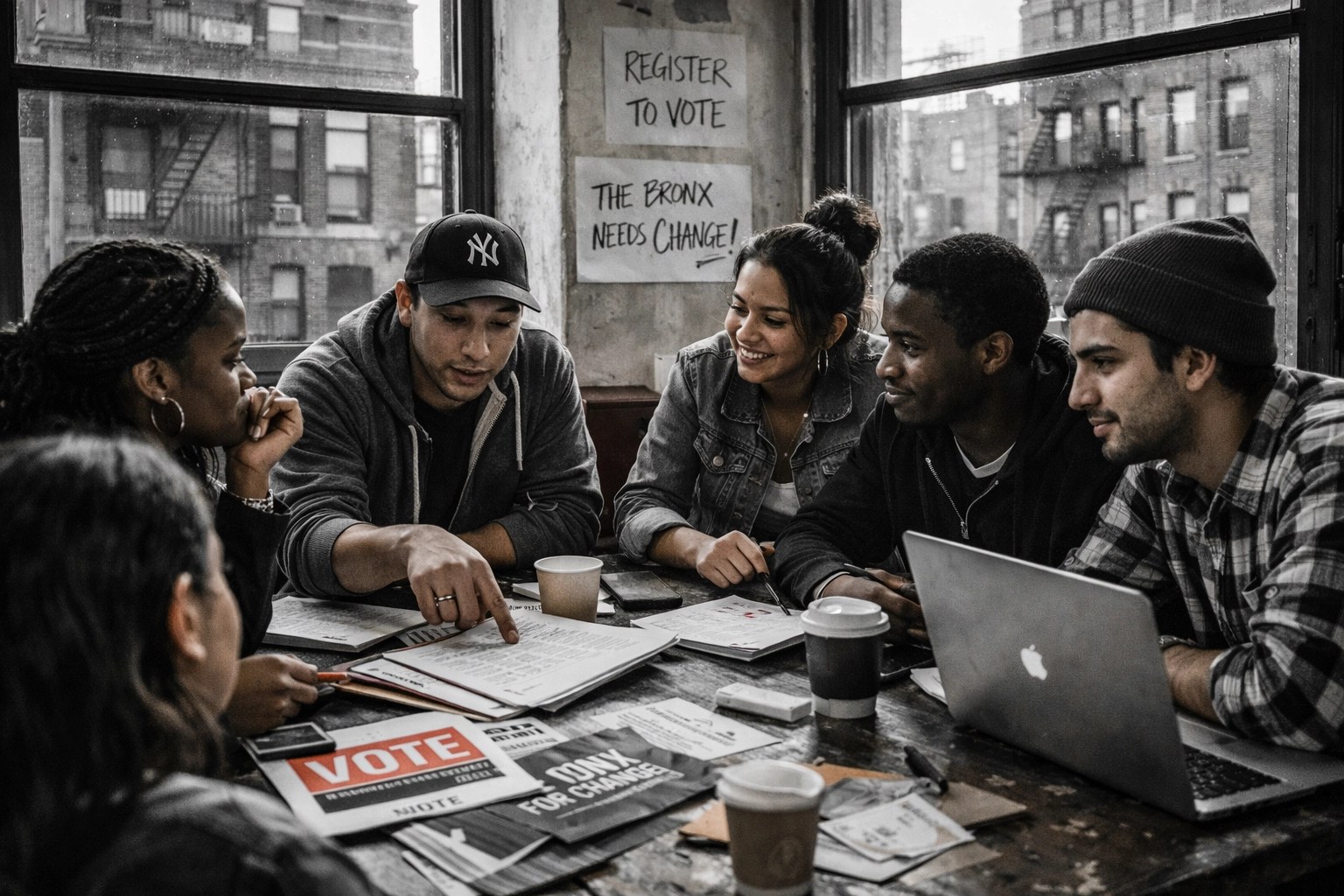
Young voters and grassroots organizers are the driving force behind cannabis reform and progressive change in 2026 and beyond.
The 2026 midterms are a test. Will cannabis advocates treat this like a single-issue vote? Or will they understand that political funding, corporate influence, and social equity are all part of the same fight?
Because here’s the truth: You can’t have real cannabis reform without reforming who gets to make the rules. Right now, groups funding the rule makers spent over $100 million. They defeated the politicians who actually support legalization, Expungement, and equity.
Final Takeaway: Your Vote Is Your Power
Cannabis legalization isn’t just about getting legal weed, it’s about economic justice, racial equity, and community empowerment. And in 2026, the politicians you choose will either advance that vision or sell it out to the highest bidder.
So do your homework. Track the money. Support the grassroots. Vote in primaries. When someone tells you that political funding doesn’t matter, remind them of the significant spending by AIPAC and its allies. They wouldn’t spend $100 million if it didn’t work.
The future of cannabis reform isn’t written yet. But it will be decided at the ballot box in 2026. Make sure you’re part of that decision.
Please Subscribe, Follow, Like, Comment on Substack, Youtube, IG, LinkedIn, & FB.
Check out more from The OG Social Network Podcast for unfiltered conversations about cannabis, politics, and community power.
About the Author
PoppaDukes Serrano is the Executive Producer and Host of The OG Social Network Podcast. The podcast covers the intersection of cannabis, culture, politics, and community in New York. PoppaDukes has deep roots in advocacy. He is committed to amplifying marginalized voices in the industry. PoppaDukes brings the street cred and real talk that the community conversation needs. Follow the podcast for unfiltered conversations with the trailblazers, entrepreneurs, politicians, and activists shaping the future.