By Michael "PoppaDukes" Serrano

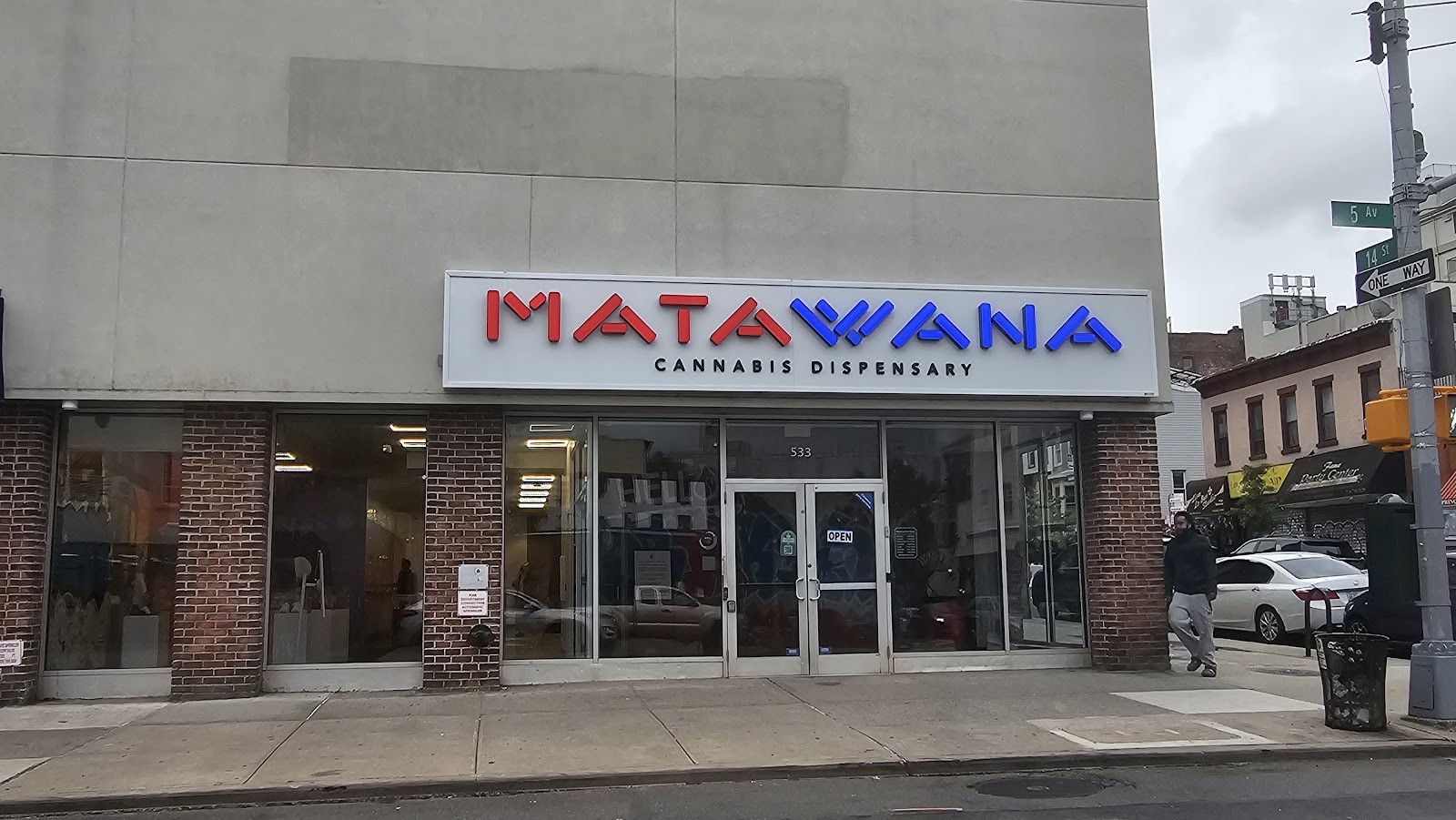
When LeeAnn Mata cut the ribbon on Matawana dispensary on February 29, 2024: the last day of Black History Month: she wasn't just opening another cannabis retail location in Brooklyn. This trailblazing entrepreneur was making history as Brooklyn's first Black woman to own a legal cannabis dispensary, transforming a former Chase bank building in Park Slope into a beacon of hope, healing, and community empowerment.
With Mayor Eric Adams in attendance at the grand opening, the moment represented far more than a business launch: it was a powerful statement about social equity, representation, and the transformative potential of the legal cannabis industry for communities that have been disproportionately impacted by prohibition.
 From Personal Healing to Community Transformation
LeeAnn Mata's journey to cannabis entrepreneurship is deeply personal and rooted in both trauma and triumph. As a justice-impacted individual, Mata witnessed firsthand how the War on Drugs devastated her family. Her father was assaulted by police for marijuana-related offenses, while five of her seven brothers faced cannabis-related charges: experiences that would later fuel her passion for creating pathways toward economic stability and social justice through the legal cannabis industry.
But it was her relationship with her mother, Donna Mata, that truly shaped her understanding of cannabis as medicine. When her mother struggled with opioid addiction, Mata turned to CBD as an alternative treatment, successfully helping her overcome dependency on prescription drugs. "Cannabis became our family's path to healing," Mata has shared, describing how she also used cannabis to manage her own anxiety.
Tragically, Donna Mata: who had become a passionate cannabis advocate: passed away in June 2023, just months before her daughter would realize their shared dream. Today, Matawana stands as a living tribute to her mother's legacy and advocacy.
Building Expertise Through Education and Experience
Unlike many entrepreneurs who stumbled into cannabis, Mata approached the industry with methodical preparation and deep expertise. Armed with two master's degrees in business and education: earned while raising three children: she spent years working in public health education. This background proved invaluable when she began developing CBD and hemp products as health interventions, positioning her to view cannabis through a lens of wellness and community health rather than just commerce.
In 2021, Mata launched Matawana as a weed apparel and CBD company, building brand recognition and customer relationships while navigating New York's evolving regulatory landscape. When the state began issuing CAURD licenses (Conditional Adult-Use Retail Dispensary), she was ready to transition from online retail to brick-and-mortar operations.
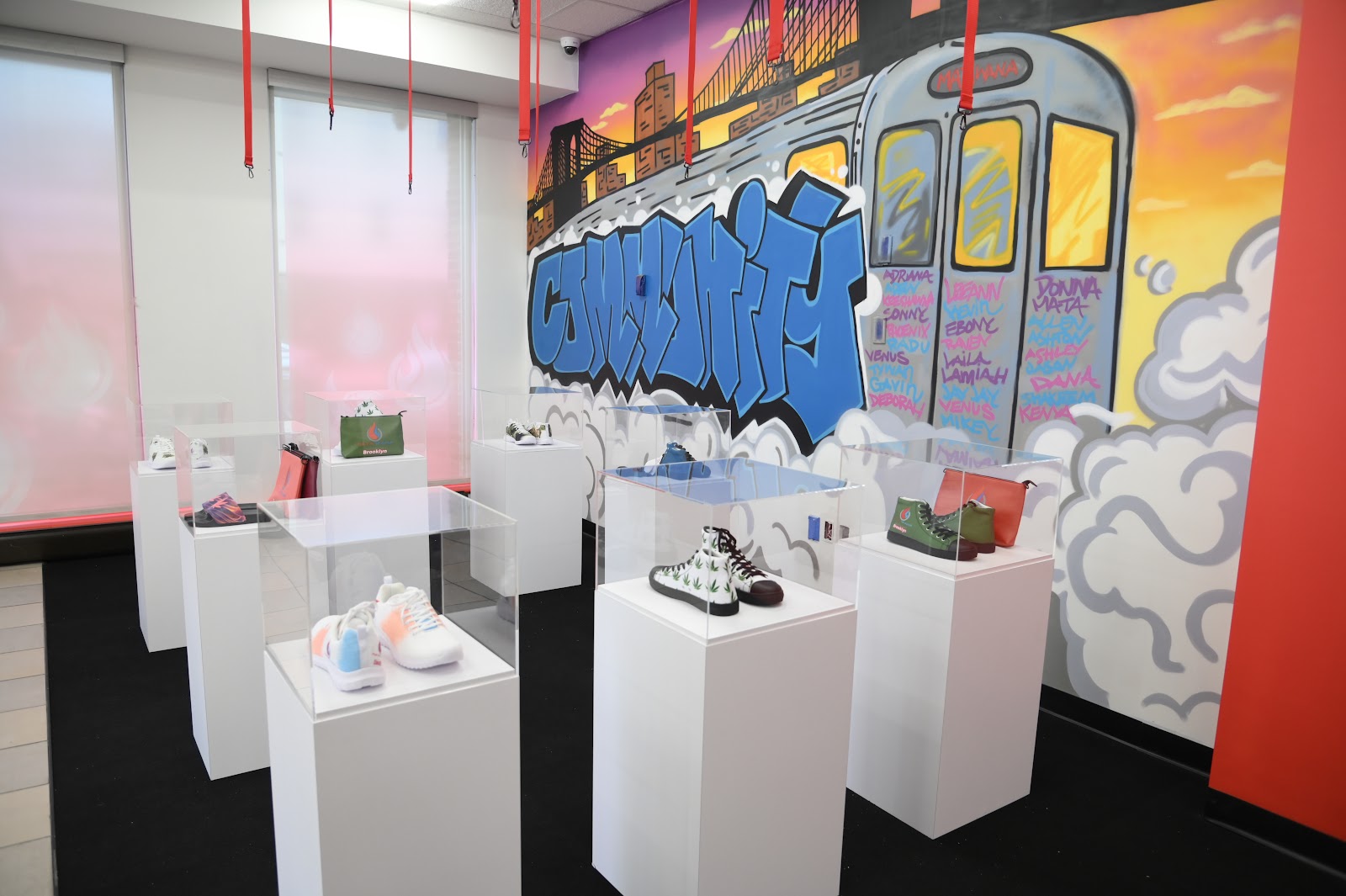
More Than a Dispensary: An Educational Hub and Community Center
Located at 533 5th Avenue in Park Slope, Matawana operates as much more than a traditional dispensary. Open daily from 11 AM to 8 PM, the space functions as an educational hub where knowledgeable staff provide one-on-one guidance on products, benefits, and individual needs. This approach reflects Mata's public health background and commitment to responsible cannabis use.
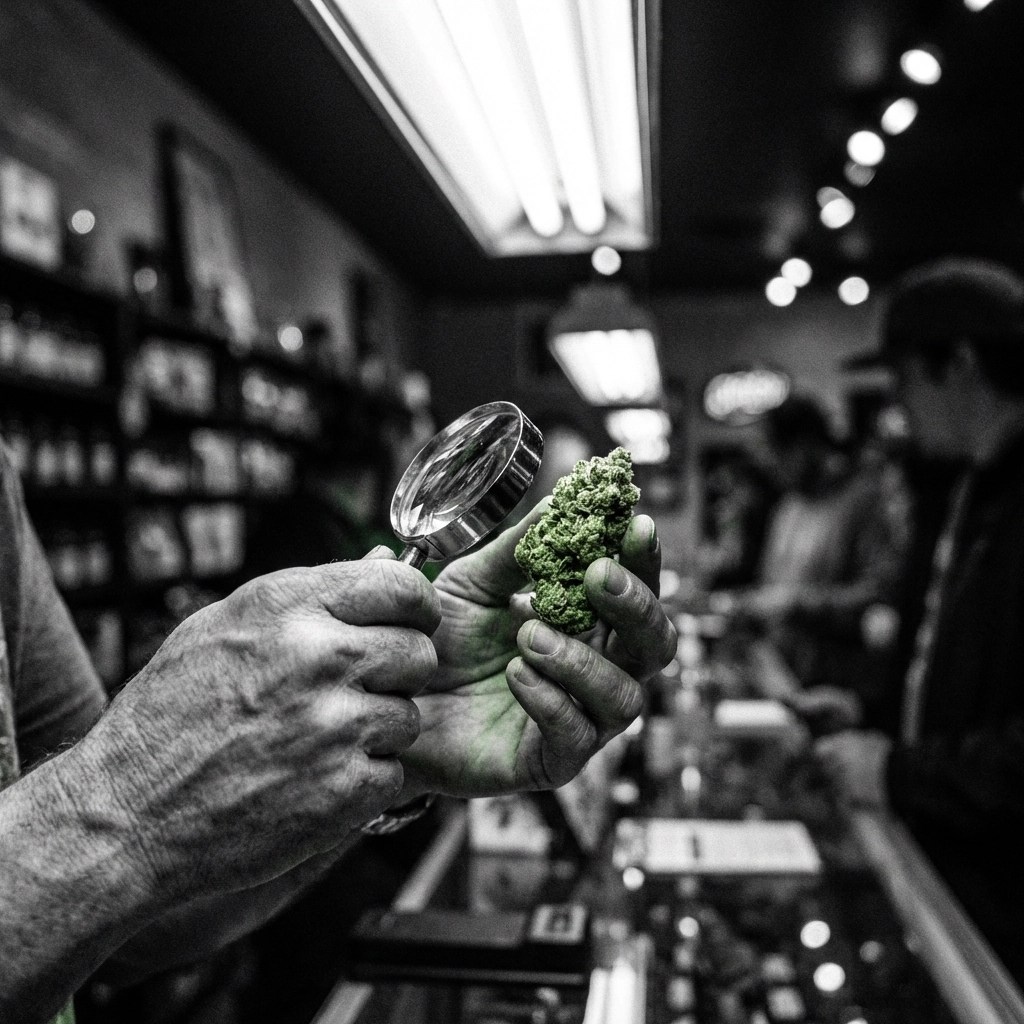
"We're not just selling products: we're educating our community about the healing properties of cannabis as an alternative to traditional medication," Mata explains. The dispensary offers a carefully curated selection of premium flower strains, artisanal edibles, concentrates, vapes, topical balms, and accessories, with all products rigorously tested for safety and compliance.
Creating Economic Opportunities and Community Wealth
Mata's commitment to community extends far beyond product selection. She intentionally structured Matawana to benefit Brooklyn residents, hiring 21 young employees at living wages and creating opportunities for economic mobility in neighborhoods that have historically been excluded from legal cannabis profits.
This community-centered approach ensures that tax revenue from cannabis sales flows back into the neighborhood rather than being extracted by out-of-state corporations. It's a game-changing model that demonstrates how social equity licensing can create genuine community wealth-building opportunities.
The business operates on four core pillars: quality and transparency through rigorous product standards, education and empowerment via expert staff guidance, community inclusion in a safe and respectful environment, and sustainability practices that minimize environmental impact.
Breaking Barriers in a Male-Dominated Industry
As Brooklyn's first Black woman-owned dispensary, Matawana represents a significant breakthrough in an industry that remains predominantly male and white. According to recent MJ Biz Daily data, women account for only 39% of cannabis executives, while racial minorities represent just 24%: making Mata's success even more remarkable.
"I'm not just running a business: I'm breaking down barriers and creating space for other women and people of color to follow," Mata has stated. Her visibility and success challenge industry norms while inspiring the next generation of diverse cannabis entrepreneurs.
This representation matters tremendously in communities like Brooklyn, where residents can finally see themselves reflected in legal cannabis ownership rather than just as consumers or, historically, as targets of enforcement.
The Broader Impact of Social Equity Licensing
Matawana's success story illustrates the transformative potential of New York's social equity program, which prioritizes licensing for individuals and communities disproportionately impacted by prohibition. By centering justice-impacted entrepreneurs like Mata, the program aims to redirect cannabis profits toward communities that bore the brunt of criminalization.
However, challenges remain. Many social equity licensees struggle with access to capital, real estate, and supply chain relationships that established operators take for granted. Mata's ability to successfully navigate these obstacles: from securing prime Park Slope real estate to building relationships with trusted cultivators: demonstrates both her business acumen and the importance of comprehensive support systems for equity operators.

Looking Forward: A Model for Equitable Cannabis Business
As Matawana approaches its first anniversary, the dispensary continues evolving its community engagement initiatives. From hosting educational workshops about cannabis use to partnering with local organizations, Mata consistently demonstrates that successful cannabis businesses can be forces for positive social change.
Her emphasis on healing properties and medical applications also positions Matawana at the forefront of conversations about cannabis as healthcare. With growing acceptance of cannabis as legitimate medicine, entrepreneurs like Mata who combine business expertise with health education backgrounds are uniquely positioned to shape industry standards and consumer expectations.
"Every customer who walks through our doors represents an opportunity to change perceptions about cannabis and demonstrate its potential for healing and community building," Mata reflects.
The Future is Bright: and Diverse
LeeAnn Mata and Matawana represent the future of cannabis retail: community-owned, education-focused, and committed to social justice. In an industry too often dominated by corporate interests and extraction, her model proves that grassroots entrepreneurship can thrive while serving community needs.
For anyone interested in the intersection of cannabis business, social equity, and community development, Mata's journey offers powerful lessons about perseverance, preparation, and purpose-driven entrepreneurship. As Brooklyn's first Black woman-owned dispensary, Matawana isn't just making sales: it's making history and paving the way for a more equitable and inclusive cannabis industry.
The revolution will be localized, community-owned, and led by entrepreneurs like LeeAnn Mata who understand that true success means lifting up entire communities, not just individual bank accounts.
Michael "PoppaDukes" Serrano is the executive producer and host of The OG Social Network Podcast. A life-long New Yorker and cannabis advocate, PoppaDukes is educating his community about cannabis, politics, and culture.
Sources:
- MJ Biz Daily Cannabis Industry Statistics 2023
- New York State Cannabis Control Board CAURD Program Data
- Brooklyn Business Journal Coverage of Matawana Opening
- NYC Mayor's Office Press Release on Cannabis Equity Programming
- Meet The First Black Woman to Own a Legal Cannabis Store in BK by Anastasia Tomkin.