By PoppaDukes Serrano | February 9, 2026
Look, we need to talk about the Epstein Files. We are not discussing the conspiracy theory version. It has been weaponized by every political camp with an axe to grind. Instead, we are focusing on the actual, verifiable state of where this investigation stands in 2026. Here’s the thing: when powerful people are involved, a gap exists between what we want to believe. There is also a difference between what’s actually provable. This gap becomes a canyon that conspiracy theories love to fill.
And that gap? It’s not just about Epstein. It’s about how we investigate the elite, how transparency fails us, and why media literacy matters more than ever.
What the FBI Actually Found (And Didn’t Find)
Let’s start with the facts that recently surfaced from investigative files. The FBI concluded that Jeffrey Epstein was not running a sex trafficking ring serving powerful men. Yeah, I know, that’s not the headline anyone expected. But here’s what they did confirm: Epstein sexually abused multiple underage girls. That part is documented, verified, and horrific.
FBI agents spent years examining his bank records, emails, properties in New York, Florida, and the U.S. Virgin Islands. They interviewed victims and associates. They followed the money. Financial records showed payments to over 25 women who appeared to be models. However, prosecutors found no evidence he was prostituting women to other men.
When one victim publicly claimed Epstein “lent her” to wealthy associates, agents couldn’t confirm the account. No other victims corroborated those specific claims. Investigators documented that four or five accusers alleged other individuals had sexually abused them. Nevertheless, they determined there wasn’t enough evidence for federal charges. Those cases got referred to local law enforcement instead.
Does this mean nothing else happened? No. Does it mean powerful people weren’t involved in other ways? Also no. But it does mean we need to separate confirmed abuse from unproven allegations. This is especially important when those allegations are used as political weapons.
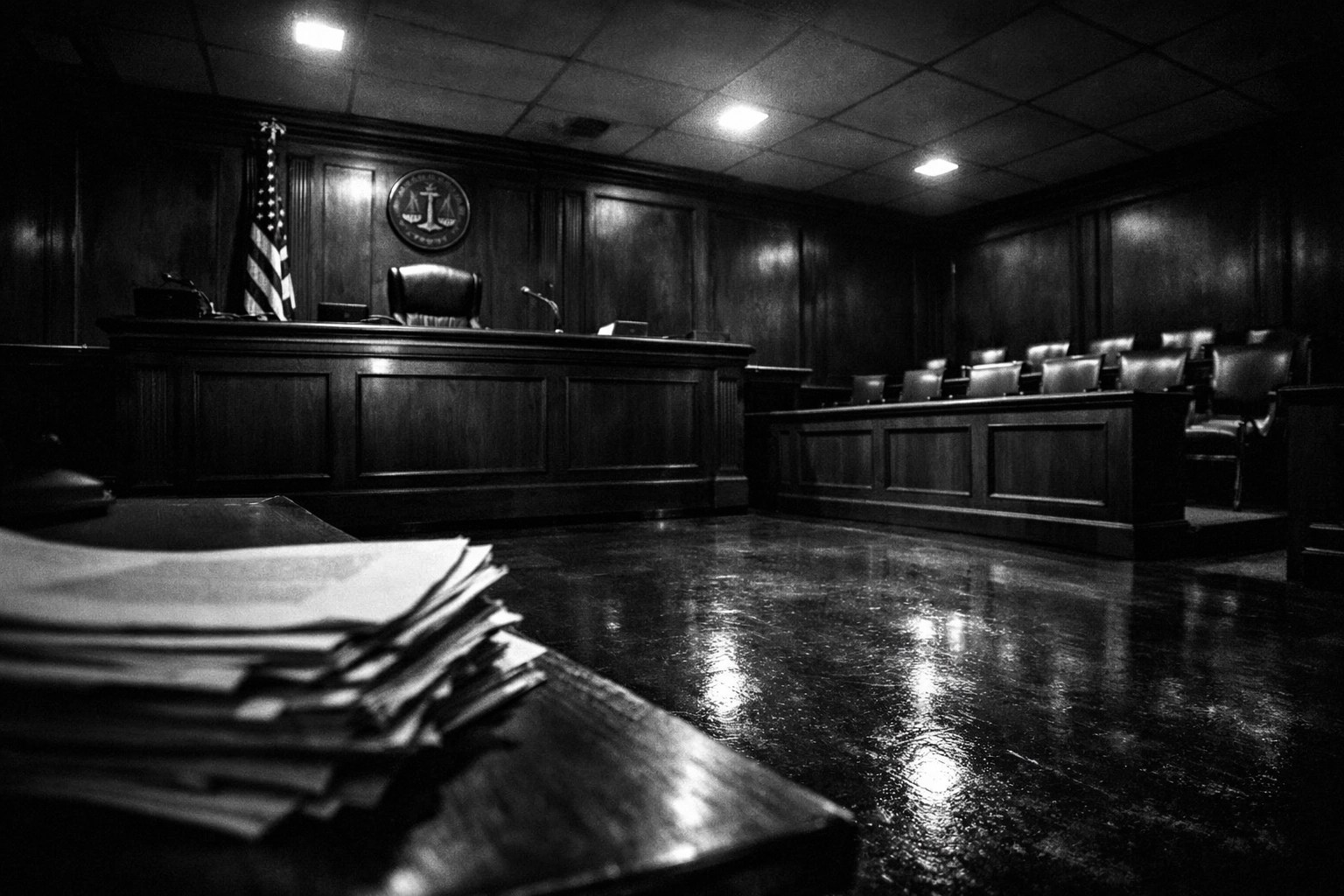
Understanding the difference between confirmed evidence and speculation is crucial for media literacy.
The Transparency Act: 3 Million Pages and Counting
In November 2025, Congress passed the Epstein Files Transparency Act, and President Trump signed it into law. The Justice Department has been releasing investigative files ever since, over 3 million pages so far. That’s a massive data dump, and it’s exactly the transparency advocates have been demanding.
But here’s where it gets messy. The initial release in December 2025 got halted after only a small portion of records were disclosed. Officials said they needed more time to review remaining materials. And that delay? That’s where the conspiracy theories start breeding.
Because when you promise transparency and then slow-walk the process, people fill in the blanks themselves. Redactions look like cover-ups. Delays feel like protection. And suddenly, every name that appears in a flight log becomes “evidence” of guilt, even when it’s not.
The Accountability Gap: Why the System Protects Elites
Let’s be real about why this investigation feels so frustrating. The system is designed with protections that regular people don’t get. Legal standing provides elite defendants certain advantages. Immunity deals can shield them from prosecution. Additionally, the DOJ refuses to allow Congressional intervention. This refusal adds another layer of protection. It creates what amounts to a “black box” around them.
Take Ghislaine Maxwell, Epstein’s longtime confidant. She was convicted in 2021 of recruiting victims and participating in sexual abuse. She’s serving 20 years. But she also had access to high-powered legal representation that most defendants can’t afford. She could invoke Fifth Amendment protections strategically. And there’s been ongoing speculation about potential clemency requests.
That’s the gap. Not that rich people are automatically guilty, but that they have resources to navigate a system that crushes everyone else. They can afford lawyers who know how to work discovery. These lawyers can negotiate immunity. They challenge evidence in ways that public defenders handling 50 cases at once simply cannot.
The DOJ’s decision to keep Congressional investigators at arm’s length compounds the problem. Without bipartisan oversight, there’s no check on how thoroughly these cases get pursued. And that lack of oversight feeds the perception that someone, somewhere, is protecting somebody.

Legal protections available to wealthy defendants create systemic accountability gaps.
Why Conspiracy Theories Thrive in Information Vacuums
Here’s the pattern: lack of transparency + redactions + slow releases = conspiracy theory fuel. When official channels don’t provide complete information, people create narratives to explain the gaps. And social media amplifies those narratives at light speed.
Names like Trump, Clinton, Elon Musk, and Bill Gates are in files without evidence of wrongdoing. Different political camps weaponize these appearances. Right-wing media focuses on Clinton. Left-wing media highlights Trump. Everyone cherry-picks the data that confirms their existing biases.
But here’s what most people miss: appearing in a flight log isn’t a conviction. Being photographed with someone at an event isn’t proof of criminal conspiracy. Association doesn’t equal participation. And yet, in our current media landscape, nuance dies in 280 characters or less.
The Epstein case became a perfect storm. It involves powerful people, sexual abuse, and just enough confirmed wrongdoing. This combination makes anything seem possible. That’s why you see theories ranging from plausible to completely unhinged, and why people struggle to tell the difference.
How to Separate Fact from Fiction: A Practical Guide
So how do you navigate this mess? Here’s what I tell people who want to understand what’s actually happening versus what’s speculation:
1. Look for primary sources. The DOJ has a repository of released files. Read those instead of someone’s interpretation of those files. Court documents, deposition transcripts, and investigative reports are publicly available.
2. Understand the difference between allegation and evidence. Someone claiming something happened is different from prosecutors having enough evidence to charge. Both can be true, an abuse occurred AND there isn’t enough evidence to prosecute, but they’re not the same thing.
3. Check for bipartisan oversight. If only one political party is pushing an investigation, that’s a red flag. Real accountability comes from both sides demanding answers, not just one side scoring points.
4. Follow the legal outcomes, not the social media narratives. Maxwell got convicted. Epstein died before trial. Those are facts. Everything else needs to be evaluated based on actual evidence presented in court.
5. Be skeptical of anyone claiming to have “the real story.” If legitimate journalists with resources can’t confirm something, random internet accounts definitely can’t either.

Critical thinking skills are essential for navigating complex news stories about powerful people.
What This Means for How We Hold Power Accountable
The Epstein investigation reveals issues beyond a single case. Our justice system struggles to hold powerful people accountable. It fails to apply the same urgency it applies to everyone else. That’s not a conspiracy theory, that’s a documented pattern across decades of cases involving wealthy defendants.
The solution isn’t to assume everyone rich is guilty. It’s to demand systemic reforms. We need transparent investigations. Genuine bipartisan oversight is necessary. There should be equal application of legal standards. There must be consequences when those standards get violated.
We also need to get better at media literacy. Understanding how to read court documents is essential. Evaluating sources is crucial. Distinguishing between confirmed facts and speculation is not optional anymore. These skills are essential for participating in informed public discourse.
The Bottom Line
Jeffrey Epstein sexually abused multiple underage girls. That’s confirmed. Ghislaine Maxwell helped him and is serving time. Also confirmed. The FBI investigated extensively and concluded there wasn’t evidence of a broader trafficking ring serving powerful men. That’s what the investigative files show.
Does this mean no other powerful people did terrible things? No. Does it mean every theory about the case is false? Also no. But it does mean we need to be honest about what’s proven versus what’s suspected. We need to push for transparency and accountability. This will make it harder for anyone to operate above the law, no matter how wealthy or connected they are.
The Epstein Files Transparency Act is a step forward. But transparency without consequences is just information. What happens next depends on whether we’re willing to do the harder work. We need to demand systemic change. We must support genuine investigative journalism. We should refuse to let conspiracy theories replace the difficult task of actual accountability.
Please Subscribe, Follow, Like, Comment on Substack, Youtube, IG, LinkedIn, & FB.
About the Author
PoppaDukes Serrano is the Executive Producer and Host of The OG Social Network Podcast. The podcast covers the intersection of cannabis, culture, politics, and community in New York. PoppaDukes has deep roots in advocacy. He is committed to amplifying marginalized voices in the industry. PoppaDukes brings the street cred and real talk that the community conversation needs. Follow the podcast for unfiltered conversations with the trailblazers, entrepreneurs, politicians, and activists shaping the future.