By The OG, PoppaDukes SERRANO

When we talk about justice in this country, we usually talk about two different worlds. There’s the world the New York cannabis community lives in, where people are stopped, frisked, and locked away for years over a plant. Then there’s the world of the Epstein Files, where the most horrific crimes imaginable are met with “bespoke” legal protections and “resort-style” jail time.
The recent release of documents under the Epstein Files Transparency Act (EFTA) hasn’t just opened a window into the life of one man; it’s ripped the doors off a systemic structure of corruption. It’s revealed what many in marginalized communities have known for a long time: our political and legal systems aren’t just failing to protect the vulnerable, they are often actively shielding the powerful.
This is a deep dive into the “pedocracy” problem, the intersection of US law and elite impunity, and why this fight for transparency is the same fight we lead in cannabis activism New York.
The Epstein Files and the Smoke Screen of Transparency
In late 2025, the Epstein Files Transparency Act was supposed to be the “final word.” The Department of Justice released millions of pages. But as we’ve seen time and time again, transparency is often used as a distraction. While the world got to see the names of victims and low-level associates, the DOJ admitted it still holds the most damning evidence: Epstein’s island visitor logs, his boat logs, and over 40 seized computers.
Why keep those hidden? If the goal is truly justice, why are the names of perpetrators still redacted while the survivors are exposed? (As one analyst put it, “The system ceases to function as a democratic institution when it shields the ruling class at the expense of the public.”)
This isn’t a glitch in the American legal system. It’s a feature. The files document a massive, organized sexual exploitation network that operated for decades with institutional leniency. It wasn’t just Jeffrey Epstein; it was a powerhouse network of recruiters, groomers, and facilitators who targeted the economically vulnerable. They didn’t prey on the children of the elite, they preyed on those society had already pushed to the margins.
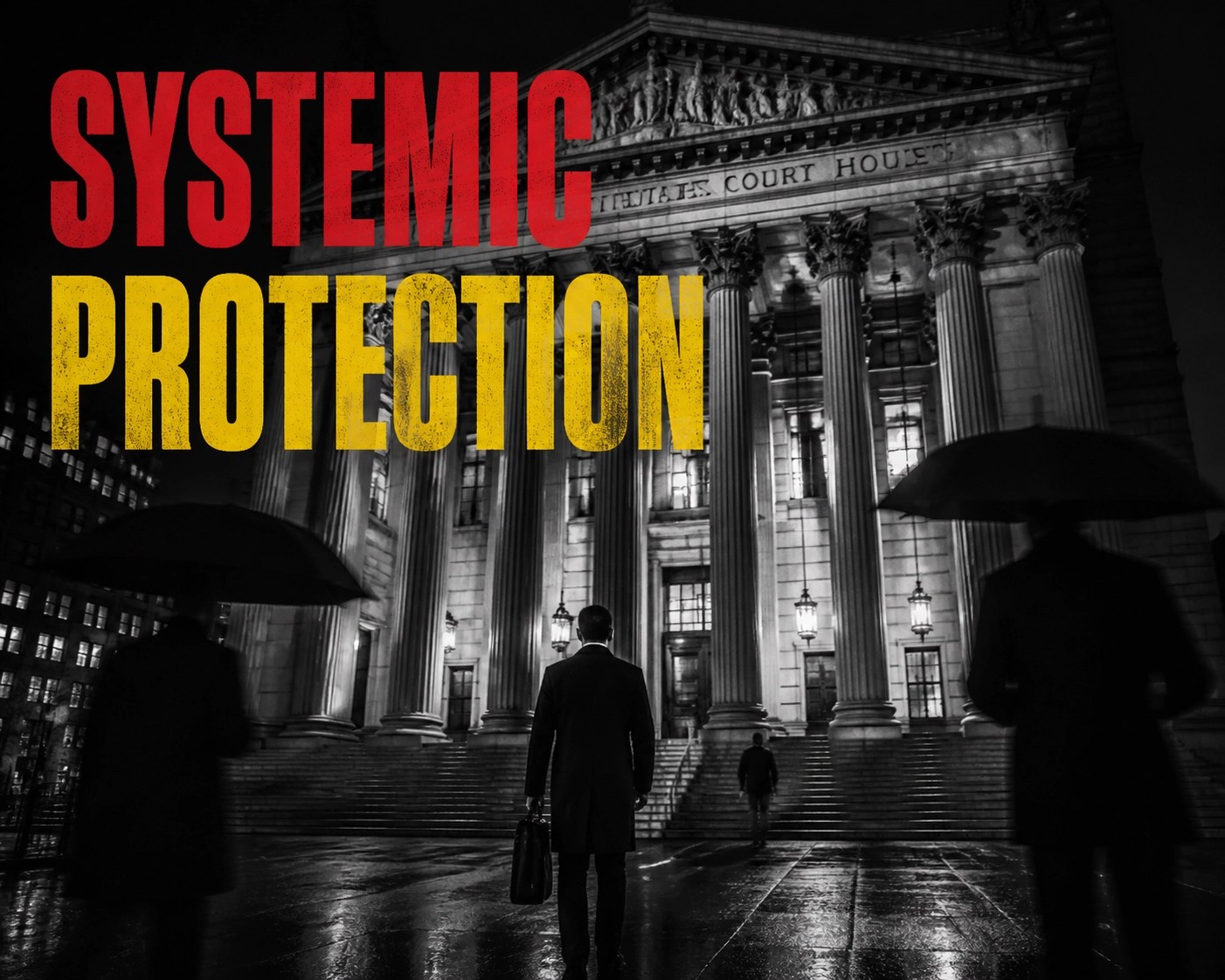
The legal system often acts as a shield for those with enough influence to buy it.
Understanding the “Pedocracy” Problem
You won’t find the word “pedocracy” in a legal textbook, but you’ll find it in the reality of how power works. It refers to a system where political, judicial, and financial elites use their collective influence to protect each other from the consequences of preying on children.
It’s about elite impunity. We saw it in the 2000s when federal prosecutors had a 53-page felony indictment ready to go. Instead of facing life in prison for trafficking, Epstein was handed a secret non-prosecution agreement. He pleaded to a minor state charge and got a 13-month “sentence” where he was allowed to leave for work almost every day.
This “bespoke protection mechanism” is only available to the 1%. While cannabis entrepreneurs nyc are jumping through endless regulatory hoops and facing strict scrutiny just to open a legal shop, these individuals were allowed to operate a trafficking ring across international borders for years.
How US Law Protects the Powerful
Historically, US law has been a tool for the powerful to maintain their status. Whether it’s through non-disclosure agreements (NDAs), sealed settlements, or the high cost of litigation, the legal system is built to silence those without resources.
In the Epstein case, we saw how wealth converts legal norms into negotiable privileges. It’s a game-changing level of corruption where “who you know” determines if the law applies to you at all. UN Human Rights Council experts have pointed out that this failure to hold powerful figures accountable creates a “culture of impunity.”
It’s the same culture that allowed the “War on Drugs” to target Black and Brown communities for decades while the architects of that war looked the other way for their friends in high-rise penthouses.
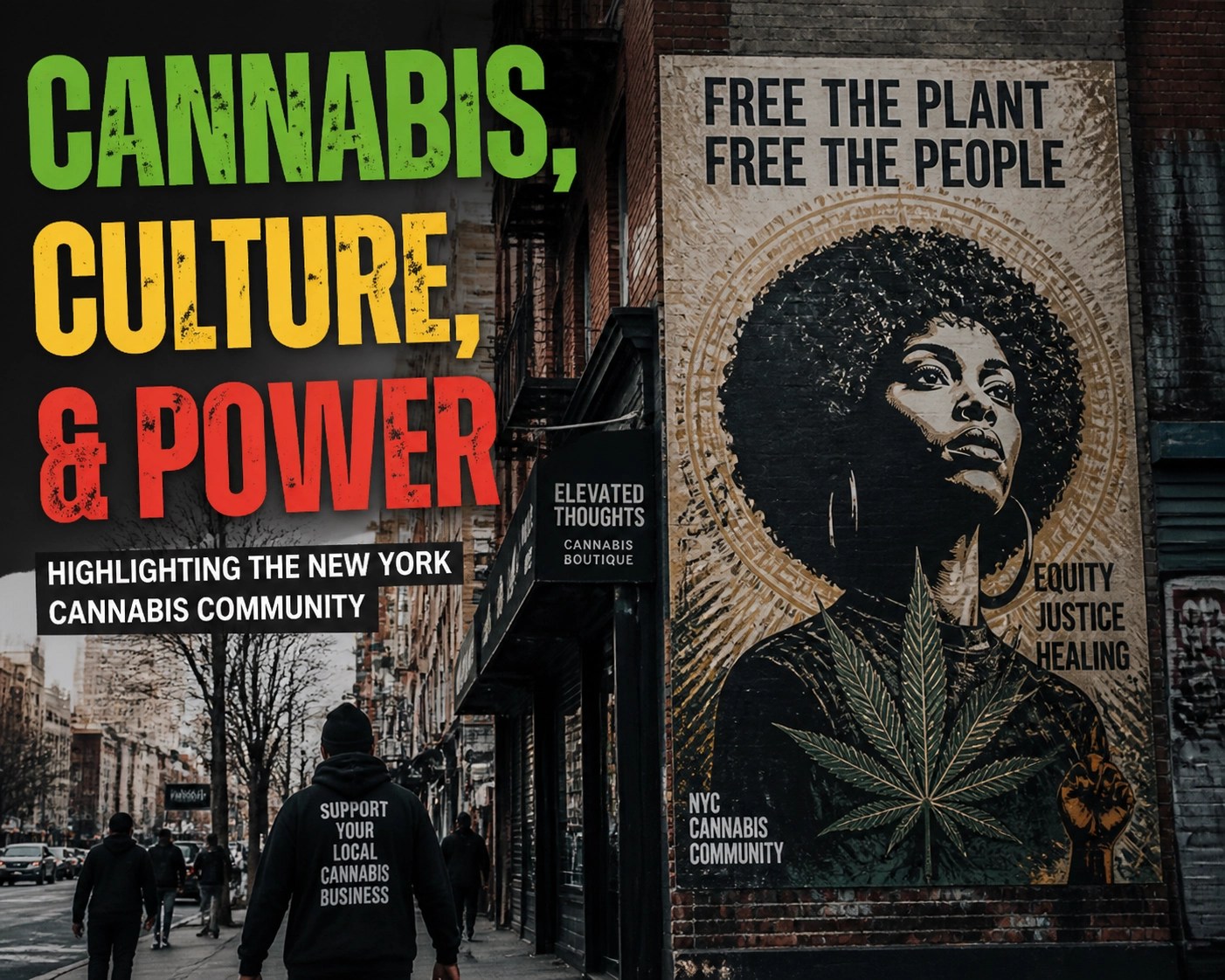
The struggle for cannabis equity is a struggle against the same power structures that protect trafficking networks.
The Intersection with Cannabis Activism
You might ask, “PoppaDukes, what does a sex trafficking network have to do with weed?”
The answer is everything.
The same power structures that protect traffickers also suppress cannabis reform and social equity. For decades, the political elite used cannabis prohibition as a weapon to destabilize marginalized communities, effectively removing political rivals and creating a permanent underclass.
When we look at the New York cannabis community, we see the survivors of those policies. We see trailblazer activists fighting for a seat at the table that was built by the people now trying to exclude them. The “pedocracy” and the prohibitionist lobby are two sides of the same coin: they both rely on a lack of transparency and a legal system that favors the wealthy over the many.
If the government can hide visitor logs for a private island where crimes against humanity occurred, they can certainly manipulate the rollout of social equity licenses to favor big-money “MSOs” (Multi-State Operators) over the local entrepreneurs who actually built this industry.
The Need for Community Action and Real Accountability
We can’t wait for the DOJ to decide they’ve shared enough. We can’t wait for the same politicians who benefited from these networks to suddenly find a conscience.
Real change comes from the ground up. In the cannabis space, we do this through networking events and farm tours that build real community power. We do it by sponsoring a seat for those who have been shut out.
Accountability means:
- Full Disclosure: All flight logs, visitor logs, and digital evidence must be released without redactions for alleged perpetrators.
- Legal Reform: Ending the use of secret non-prosecution agreements for felony trafficking cases.
- Social Equity: Ensuring that the communities most harmed by the “double standard” of US law are the ones leading the new legal economies, like cannabis.
This is a must-listen for anyone who cares about the future of our democracy. We are at a crossroads where we either accept that some people are “too powerful to jail,” or we demand a system that actually serves the people.
Summary and Takeaway
The release of the Epstein Files isn’t just about a single case; it’s an indictment of a systemic “pedocracy” where elite connections override the rule of law. This same structure of impunity is what has historically suppressed the New York cannabis community and other marginalized groups. True justice requires total transparency and a commitment to holding even the most powerful figures accountable.
The struggle for transparency is the struggle for our community’s survival.
Please Subscribe, Follow, Like, Comment on Substack, Youtube, IG, LinkedIn, & FB.
Sources and References
- International Journal of Politics, Culture, and Society (March 2026) – “The Architecture of Elite Impunity”
- City & State NY (Jan 2026) – “NY Cannabis Social Equity: A Midterm Report Card”
- DSA NPC Newsletter (Feb 2026) – “The Pedocracy Problem: Corruption and the Ruling Class”
- Fox News Poll (Feb-Mar 2026) – Public Trust in Federal Legal Institutions
- I&I/TIPP (Nov 2025) – Voter sentiment on Epstein File Transparency
- Jacobin/Data for Progress (Aug 2025) – Analysis of Economic Inequality and Legal Double Standards
- Rasmussen (Aug 2025) – National Survey on Systemic Political Corruption
- Whitney Economics (2026) – “The Cost of Prohibition: A Decade of Lost Equity”
- Crunchbase (2026) – “Venture Capital in Cannabis: The 3% Ceiling for Founders of Color”
- Forbes (2026) – “The Billionaire Shield: How NDAs and Settlements Hide Systemic Abuse”
- Cannabis Inquirer (2026) – “New York’s CAURD Rollout: Winners and Losers”
- Al Jazeera Investigative Unit (2025) – “Shadow Networks: The Facilitators of the Epstein Ring”
- VALOR Institute (2026) – “Justice Delayed: The Legal History of Non-Prosecution Agreements”
About the Author
PoppaDukes Serrano is the Executive Producer and Host of The OG Social Network Podcast. The podcast covers the intersection of cannabis, culture, politics, and community in New York. PoppaDukes has deep roots in advocacy. He is committed to amplifying marginalized voices in the industry. PoppaDukes brings real talk grounded in lived experience and leadership. Follow the podcast for conversations with the trailblazers, entrepreneurs, politicians, and activists shaping the future.